

In an era where agricultural practices demand precision and sustainability, the need for effective pest management solutions has never been greater. Farmers and agricultural professionals are increasingly turning to advanced technologies that enable them to detect pests quickly and accurately. One such innovation is the use of lateral flow rapid test strips, which offer a simple yet effective method for testing pesticide residues in crops. These test strips facilitate rapid assessments, allowing growers to ensure their produce is safe and compliant with regulations.
Accurate Pesticides Lateral Flow Rapid Test Strips represent a significant leap forward in the fight against pest-related challenges. By providing https://feddersen-thisted.mdwrite.net/swift-and-safe-the-future-of-mycotoxin-detection-with-lateral-flow-test-strips , these test strips empower agricultural stakeholders to make informed decisions, reducing both economic losses and potential health risks associated with pesticide misuse. As we delve into the future of pesticide testing, it becomes clear that this technology not only enhances the accuracy of pest detection but also promotes a safer and more responsible approach to pest management in agriculture.
Overview of Lateral Flow Rapid Test Strips
Lateral flow rapid test strips are innovative diagnostic tools designed to provide quick and accurate results for various applications, including pesticide detection in agricultural settings. These test strips operate on the principle of capillary action, allowing a liquid sample, such as soil, water, or plant sap, to flow through the strip. As the sample moves along the strip, it encounters specific reagents that can react with target substances, leading to the formation of visual indicators, such as colored lines.
The simplicity and convenience of lateral flow rapid test strips make them highly desirable for on-site testing. They can be used without specialized training, enabling farmers and agricultural workers to monitor pest presence and pesticide residues efficiently. This immediate feedback allows for timely decision-making regarding pest management and pesticide application, which is essential in maintaining crop health and minimizing environmental impact.
Recent advancements have improved the accuracy and sensitivity of these test strips, allowing them to detect even low concentrations of pesticide residues. This precision is vital, as it helps in ensuring compliance with safety standards and reduces the risk of harmful pesticide usage. As the agricultural industry continues to seek sustainable practices, the role of accurate pesticides lateral flow rapid test strips becomes increasingly significant in promoting safer farming methods.
Advantages of Precision Pest Detection
Precision pest detection using accurate pesticides lateral flow rapid test strips offers several significant advantages for agricultural practices. Firstly, these test strips provide rapid results, allowing farmers to quickly identify the presence of harmful pests or pesticide residues. Food and Feed Safety Test Kits enables timely interventions, reducing the potential damage to crops and ensuring optimal yield. As Food Laboratory Consuables Supplier , farmers can make informed decisions swiftly, enhancing overall farm productivity.
Secondly, the use of lateral flow test strips minimizes the need for complex laboratory analysis. Farmers can perform the tests on-site, which not only saves time but also cuts down on costs associated with sending samples to external labs. This accessibility empowers farmers, particularly those in remote areas, to monitor pest presence and pesticide levels without extensive resources. It democratizes pest management, making effective tools available to a wider audience.
Lastly, precision pest detection contributes to sustainable agricultural practices. By accurately identifying https://notes.io/w1Hp3 and pesticide residues, farmers can apply targeted treatments only where necessary, reducing the overall use of chemicals. This not only protects beneficial organisms in the ecosystem but also addresses growing consumer demand for organic and sustainably grown produce. In this way, accurate pesticides lateral flow rapid test strips support environmental stewardship while promoting economic viability for farmers.
Future Innovations in Pesticide Testing
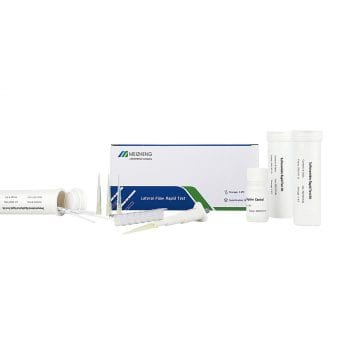
As technology continues to advance, the future of pesticide testing looks promising with the integration of artificial intelligence and machine learning. These technologies can enhance the accuracy and efficiency of lateral flow rapid test strips, allowing for better detection of pests and pesticide residues. By analyzing patterns in large data sets, AI can help refine the test strip designs and improve their sensitivity, resulting in tests that can differentiate between harmful and harmless substances more effectively.

In addition, the development of nanotechnology is set to revolutionize pesticide testing. Nano-structured materials can significantly increase the surface area of test strips, enhancing their interaction with targeted pests and chemicals. This advancement may lead to faster results and heightened accuracy, making rapid testing more reliable for farmers and agricultural industries. Such innovations could ensure crops are treated appropriately, reducing the risks associated with pesticide overuse.
Moreover, the future may see integration with mobile technology, providing farmers with instant access to test results on their smartphones. This convenience would not only improve decision-making processes but also promote better pest management practices. With real-time data at their fingertips, agricultural professionals can respond swiftly to pesticide threats, optimizing their use and promoting sustainable practices. The convergence of these innovations heralds a new era in accurate pesticide testing that could transform agricultural practices globally.