

In the ever-evolving landscape of food safety and quality control, the need for rapid and reliable testing methods has never been more critical. Mycotoxins, toxic compounds produced by certain molds, pose significant health risks and economic impacts across various industries, particularly in food production and agriculture. Traditional laboratory testing methods, while accurate, often require extensive time and resources, leaving a gap for effective and timely solutions.
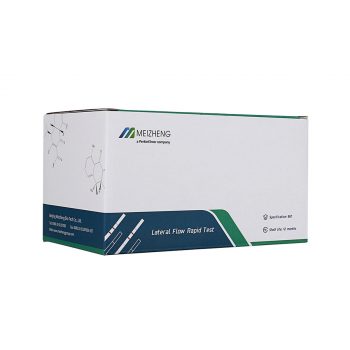
Enter accurate mycotoxin lateral flow rapid test strips, a groundbreaking innovation that streamlines the testing process. Accurate Veterinary Drug Residue Rapid Test Strips -friendly tools empower producers, regulators, and consumers alike to quickly identify the presence of mycotoxins in food and feed products. With their ease of use and rapid results, these test strips are revolutionizing the way we approach mycotoxin detection, ensuring safety and quality in an increasingly complex food supply chain.
Understanding Mycotoxins
Mycotoxins are toxic compounds produced by certain molds and fungi that can contaminate agricultural products and food sources. They are a significant concern for food safety, as they can lead to serious health issues in humans and animals. Accurate Pesticides Lateral Flow Rapid Test Strips can develop in crops during growth, harvest, storage, or transport, and their presence can cause substantial economic losses in the agricultural sector.
Different types of mycotoxins exist, with aflatoxins, ochratoxin A, and fumonisins being among the most notable. Each has specific characteristics and effects, including carcinogenic properties and impacts on the immune system. Understanding the various types of mycotoxins and their sources is essential for effective monitoring and management strategies to protect public health and ensure food quality.
The complexity of mycotoxin detection and quantification underscores the need for accurate testing methods. Traditional testing methods can be time-consuming and require sophisticated laboratory equipment. This is where accurate mycotoxin lateral flow rapid test strips come into play, offering a quicker and more accessible alternative for on-site testing, enabling immediate responses to potential contamination.
Advantages of Lateral Flow Tests
Lateral flow tests have revolutionized the way mycotoxin detection is conducted, offering several significant benefits over traditional testing methods. One of the primary advantages is their simplicity and ease of use. Accurate Antibiotics Rapid Test Strips require minimal training, allowing personnel to perform tests without the need for advanced laboratory skills. This accessibility speeds up the testing process, enabling quicker decision-making especially in time-sensitive situations.
Another key advantage is the impressive speed at which results can be obtained. Accurate mycotoxin Lateral Flow Rapid Test Strips provide results within minutes, making them ideal for on-site testing. This quick turnaround is particularly useful in settings like food production or agriculture, where timely intervention can prevent extensive losses due to contaminated products. The ability to receive immediate results allows for prompt action and enhances overall food safety and quality assurance.
Additionally, the cost-effectiveness of lateral flow tests should not be overlooked. They typically require lower upfront investment and maintenance costs compared to more complex laboratory testing equipment. learn more makes them a practical choice for smaller operations or those in regions with limited access to sophisticated testing facilities. Overall, the combination of simplicity, speed, and cost-effectiveness positions accurate mycotoxin lateral flow rapid test strips as a valuable tool in modern testing.
Implementation and Best Practices
When implementing accurate mycotoxin lateral flow rapid test strips, it is crucial to follow the manufacturer's guidelines thoroughly. Begin by familiarizing yourself with the test procedures, including sample preparation and the interpretation of results. Ensure that all personnel involved in the testing process are trained adequately to minimize errors and maximize accuracy. Regular calibration and maintenance of equipment will help maintain the reliability of test outcomes.
To achieve the best results, standardize the testing environment. Ambient temperature and humidity can influence test performance, so keeping these parameters consistent is essential. Consider using control samples to validate the testing process regularly. This will help achieve reliable data and reduce variability in test results, allowing for more accurate assessments of mycotoxin levels.
Finally, documentation and data management practices are key components in the implementation of mycotoxin testing. Maintain detailed records of each test conducted, including sample origin, test results, and any deviations from the standard procedure. This practice not only fosters accountability but also aids in trend analysis over time, helping to identify potential contamination sources and improve overall safety and quality control within your processes.
