

In the ever-evolving landscape of veterinary medicine, the importance of ensuring that the food supply remains safe for consumers cannot be overstated. As global demand for meat and dairy products continues to rise, the role of veterinarians in monitoring drug residues in livestock has become increasingly critical. mzfoodtest is where accurate veterinary drug residue rapid test strips come into play, offering a reliable solution for detecting potentially harmful substances in animal products.
With concerns over food safety intensifying, the ability to swiftly and accurately test for drug residues not only protects public health but also supports the integrity of the agricultural industry. These rapid test strips provide veterinarians and farmers with a practical tool to assess compliance with regulatory standards, paving the way for a future where trust in food sources is paramount. As technology advances, the potential for these testing methods to enhance safety and transparency in the food chain holds great promise.
Importance of Drug Residue Testing
Drug residue testing is essential in veterinary medicine as it ensures the safety of food products derived from animals. Animals treated with medications can leave behind residues that may pose health risks to consumers. By implementing routine testing, veterinarians can identify and eliminate unsafe levels of drug residues, safeguarding public health and maintaining consumer confidence in meat and dairy products.
Beyond consumer safety, drug residue testing plays a critical role in compliance with regulatory standards. Authorities set strict limits on drug residues in food products to protect consumers and the food supply chain. Veterinary professionals must adhere to these regulations to prevent legal repercussions for both themselves and the producers they work with. Accurate testing helps ensure that all products meet safety criteria before reaching the market.
Moreover, drug residue testing promotes responsible medication use in animal husbandry. By accurately determining residue levels, veterinarians can educate farmers and animal owners on proper drug administration and withdrawal periods. This knowledge encourages ethical practices and enhances the overall quality of animal care, leading to healthier livestock and better outcomes for producers and consumers alike.
Advancements in Rapid Test Technology
The landscape of veterinary drug residue detection has significantly evolved in recent years, driven by advancements in rapid test technology. These innovations focus on enhancing the sensitivity and specificity of test strips, enabling precise detection of a wide range of drug residues in various animal products. As technology continues to progress, these test strips are becoming increasingly reliable, providing immediate results that veterinarians and farmers can trust.
Recent developments incorporate cutting-edge materials and detection methods that improve performance. For instance, nanotechnology is emerging as a game changer, allowing for the design of test strips that can detect even the smallest amounts of drug residues. This level of accuracy is crucial in ensuring food safety and maintaining consumer trust in veterinary practices. The integration of these advanced technologies means that tests can be conducted on-site without the need for complex laboratory equipment.
Moreover, the usability of these rapid test strips has also seen improvement. User-friendly designs and streamlined procedures mean that veterinary professionals and livestock owners can perform testing with minimal training. visit this page of testing empowers more stakeholders within the agricultural community to monitor drug residues, ensuring compliance with safety regulations and promoting better health outcomes for animals and humans alike.
Ensuring Food Safety and Animal Health
The integrity of our food supply hinges on the safety of the products that reach consumers' tables. Accurate Veterinary Drug Residue Rapid Test Strips play a crucial role in this by enabling quick and reliable detection of harmful drug residues in livestock. By implementing these tests, farmers and veterinarians can ensure that animals are free from prohibited substances, thereby safeguarding public health and maintaining consumer confidence in the food system.
Moreover, these rapid test strips contribute to better animal health management. Food Laboratory Consuables Supplier of drug residues helps veterinarians make informed decisions about treatment protocols and withdrawal times. This not only minimizes the risk of residue violations but also promotes responsible use of medications in livestock, fostering a healthier animal population that is less reliant on antibiotics and other drugs.
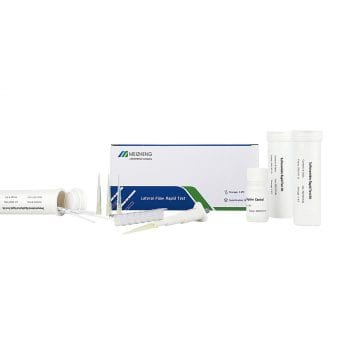

Ultimately, the integration of Accurate Veterinary Drug Residue Rapid Test Strips into routine testing practices serves both consumers and producers. By ensuring that food products are residue-free, these tests uphold food safety standards while supporting ethical animal husbandry practices. As awareness around food safety continues to grow, the reliance on rapid testing methods will be essential for a sustainable agricultural future.